
 MRI Scan
 CT Scan
 Health Checkups
 Ultrasound
 Lab Tests
 2D Echo
 ECG
 EEG
 ENMG/NCV
 Health Screening
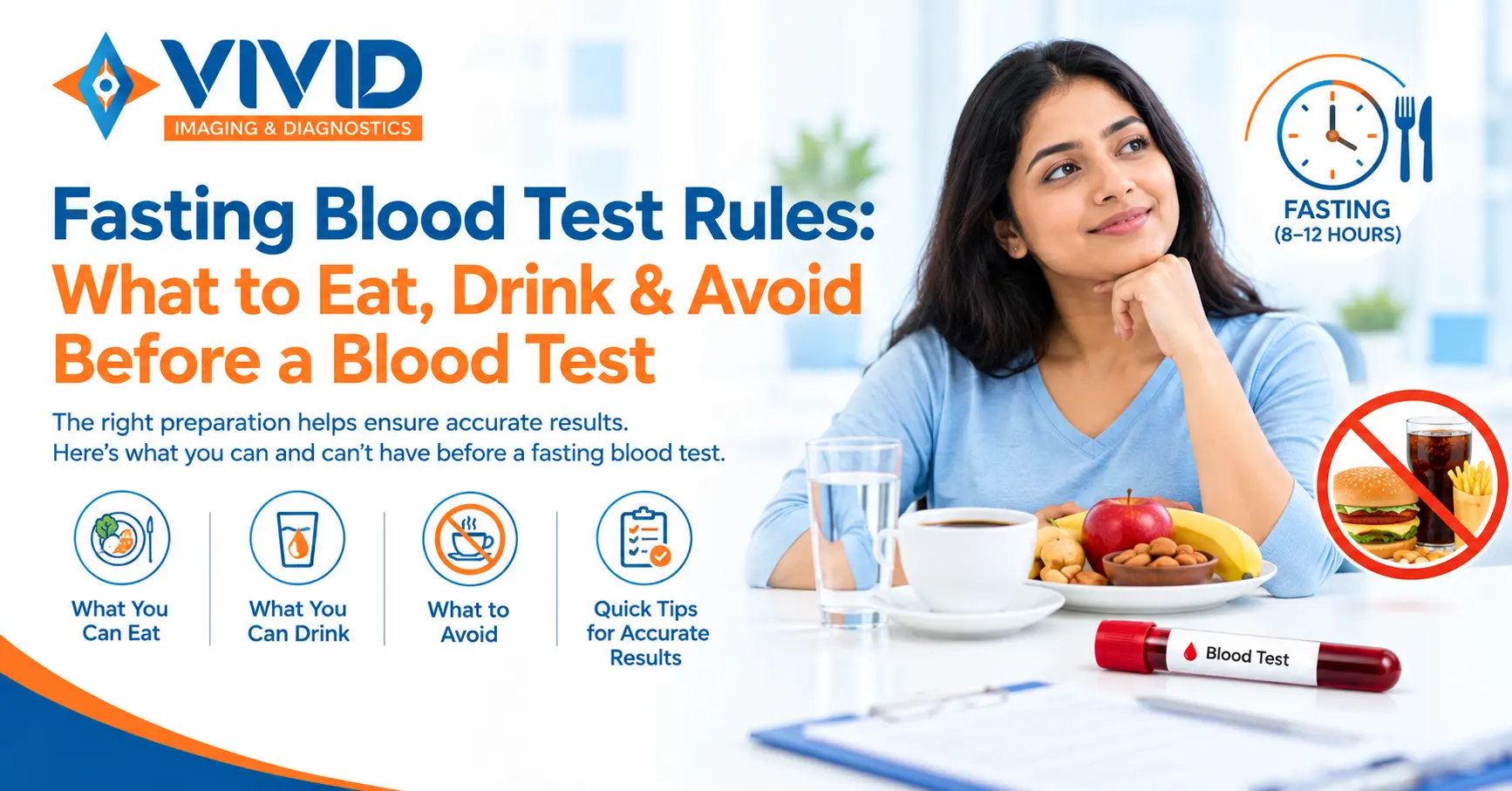
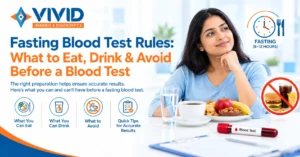
Fasting Blood Test Rules can vary depending on the type of blood test you are having. Some tests require several hours without food, while others do not require fasting at all. Knowing what you can eat or drink, whether you can take medicines, and how long you should fast can help prevent inaccurate or confusing results.
For tests such as fasting blood glucose, lipid profile, triglycerides, and certain metabolic tests, your doctor or laboratory may give specific fasting instructions. Always follow the instructions provided for your particular test.
Table of Contents
- What Are Fasting Blood Test Rules?
- How Long Should You Fast Before a Blood Test?
- What Can You Drink During Fasting?
- What Should You Avoid Before a Fasting Blood Test?
- Fasting Rules for Common Blood Tests
- Can You Take Medicines While Fasting?
- Can You Brush Your Teeth Before a Blood Test?
- What Happens If You Accidentally Eat?
- Tips for an Easier Blood Test
- Fasting Blood Tests in Hyderabad
- Frequently Asked Questions
- Conclusion
What Are Fasting Blood Test Rules?
Fasting blood test rules are instructions about avoiding food and certain beverages for a specified period before a blood sample is collected.
Fasting is recommended for some tests because eating or drinking certain beverages can temporarily change levels of substances measured in the blood.
Depending on the test, fasting may be needed for approximately 8–12 hours, although the exact duration varies.
Not every blood test requires fasting.
Why is fasting sometimes necessary?
Food can temporarily affect measurements such as:
- Blood glucose
- Triglycerides
- Certain lipid measurements
- Some metabolic markers
- Other substances depending on the specific test
Following the correct preparation instructions helps the laboratory and your doctor interpret the results appropriately.
How Long Should You Fast Before a Blood Test?
The required fasting period depends on the test.
For many commonly ordered fasting blood tests, 8–12 hours of fasting may be recommended. Your laboratory or healthcare professional should tell you the exact duration.
For example:
| Blood Test | Is Fasting Usually Needed? |
|---|---|
| Fasting Blood Glucose | Yes |
| Lipid Profile | Sometimes, depending on the test and clinical purpose |
| Triglycerides | May require fasting |
| HbA1c | No |
| CBC | Usually no |
| Thyroid Tests | Usually no |
| Vitamin D | Usually no |
| Liver Function Tests | Depends on the panel and laboratory instructions |
| Kidney Function Tests | Depends on the test and clinical context |
| Iron Studies | May require specific preparation |
Important: Do not assume that every test in a blood-test package requires fasting. Preparation depends on the individual tests included.
What Can You Drink During Fasting?
For most fasting blood tests, plain water is generally allowed and encouraged unless your healthcare provider has given different instructions.
Staying hydrated can also make blood collection easier.
Usually allowed
- Plain water
Usually avoided during the fasting period
- Tea
- Coffee
- Milk
- Juice
- Soft drinks
- Energy drinks
- Flavoured beverages
- Sugary drinks
Even beverages that seem small or harmless can potentially affect certain test results.
If your laboratory has specifically instructed you to avoid all liquids, follow those instructions instead.
What Should You Avoid Before a Fasting Blood Test?
Correct fasting is more than simply skipping breakfast.
1. Avoid food
Do not eat meals, snacks, fruits, biscuits, sweets or other foods during the required fasting period.
2. Avoid sugary drinks
Juice, soft drinks, energy drinks and sweetened beverages can affect blood glucose and other measurements.
3. Avoid milk in tea or coffee
Milk contains nutrients that can break a strict fast.
4. Avoid alcohol
Alcohol can affect several laboratory measurements and should generally be avoided before blood testing, particularly when specific preparation instructions have been provided.
5. Avoid strenuous exercise
Intense physical activity shortly before some blood tests can affect certain laboratory values. Follow your healthcare provider’s instructions about exercise before testing.
6. Do not smoke
Smoking can affect certain physiological measurements. If you have been instructed to fast, it is sensible to avoid smoking during the fasting period unless your healthcare professional tells you otherwise.
Fasting Rules for Common Blood Tests
Different blood tests have different preparation requirements.
Fasting Blood Glucose
A fasting blood glucose test measures blood sugar after a defined period without caloric intake.
The test is commonly used to assess blood glucose levels and screen for or monitor diabetes.
If fasting is specifically requested, follow the laboratory’s stated fasting duration.
Lipid Profile
A lipid profile measures substances such as:
- Total cholesterol
- LDL cholesterol
- HDL cholesterol
- Triglycerides
A fasting lipid profile may be requested in some circumstances, particularly when triglycerides are being evaluated or when your doctor wants a specific type of measurement.
However, fasting is not universally required for every lipid test.
HbA1c
The HbA1c test reflects average blood glucose over approximately the previous 2–3 months.
Because it measures glycated haemoglobin rather than the blood glucose level immediately after a meal, fasting is generally not required.
Complete Blood Count (CBC)
A CBC measures blood cells and related parameters, including:
- Haemoglobin
- Red blood cells
- White blood cells
- Platelets
- Haematocrit
Fasting is generally not required for a routine CBC unless another test being performed at the same time requires fasting.
Thyroid Blood Tests
Tests such as TSH and free T4 generally do not require fasting.
However, medicines and supplements can sometimes affect thyroid-related laboratory measurements, so tell your healthcare professional about everything you are taking.
Vitamin D Test
A routine vitamin D blood test generally does not require fasting.
Liver and Kidney Tests
Liver and kidney blood tests may be ordered individually or as part of broader panels.
Whether fasting is needed depends on the exact tests being performed and your healthcare provider’s instructions.
Can You Take Medicines While Fasting?
Do not stop prescribed medicines on your own just because you are having a fasting blood test.
Some medicines should be taken as usual, while others may need special timing depending on the test and clinical situation.
This is particularly important if you take medicines for:
- Diabetes
- Blood pressure
- Thyroid conditions
- Seizures
- Other chronic conditions
If you have been told to fast, ask your doctor or laboratory whether your regular morning medicines should be taken before or after the blood sample.
What about supplements?
Tell your healthcare provider about vitamins, minerals, herbal products and other supplements you take.
Some supplements can affect particular laboratory measurements.
Can You Brush Your Teeth Before a Blood Test?
In most situations, brushing your teeth is not considered the same as eating a meal, but instructions can vary depending on the test and laboratory.
If your laboratory has given you strict fasting instructions, follow them exactly.
Avoid accidentally swallowing toothpaste, especially when you have been instructed to maintain a strict fast.
What Happens If You Accidentally Eat?
If you accidentally eat or drink something other than what your fasting instructions allow, tell the laboratory staff before the blood sample is collected.
Do not hide the mistake.
Depending on the test, the laboratory may:
- Collect the sample and interpret the result with the preparation issue noted.
- Recommend waiting and collecting the sample later.
- Ask you to return after completing the required fasting period.
Whether the test needs to be postponed depends on what you consumed and which tests are being performed.
Fasting Blood Test Preparation: Simple Checklist
Use this checklist before a fasting blood test:
The night before
- Eat your normal meal unless your doctor has advised otherwise.
- Start fasting at the instructed time.
- Avoid alcohol.
- Avoid late-night snacks.
- Get adequate sleep.
The morning of the test
- Drink plain water unless instructed otherwise.
- Avoid breakfast.
- Avoid tea, coffee and juice.
- Avoid smoking.
- Avoid strenuous exercise.
- Follow your medication instructions.
- Carry your previous reports if requested.
- Tell the laboratory about any accidental food or drink intake.
Does Drinking Water Break a Fast?
Plain water generally does not break the fast required for most fasting blood tests.
In fact, drinking water can help you remain hydrated before blood collection.
However, special tests or procedures may have different instructions. If your laboratory has specifically told you not to drink anything, follow those instructions.
Can You Drink Tea or Coffee While Fasting?
For a strict fasting blood test, it is generally best to avoid tea and coffee, even without sugar or milk, unless your healthcare provider or laboratory specifically says they are permitted.
Water is the safer choice during the fasting period.
Can You Exercise Before a Fasting Blood Test?
It is generally better to avoid vigorous exercise immediately before blood collection when you have been instructed to fast.
Physical activity can temporarily influence certain laboratory measurements.
A normal, easy routine such as travelling to the laboratory is different from a strenuous workout.
Who May Need Special Fasting Instructions?
Some people should receive individualized instructions rather than following generic fasting advice.
This includes:
- People with diabetes
- Pregnant women
- Children
- Older adults
- People taking multiple medicines
- People with conditions that require regular meals
- People who have previously experienced low blood sugar
If fasting could cause a health problem, speak with your healthcare professional before starting.
Pregnant women should not extend fasting beyond the period specifically advised by their obstetrician or laboratory.
Fasting Blood Tests in Hyderabad
If you are looking for fasting blood tests in Hyderabad, preparation instructions should be confirmed before visiting the diagnostic centre.
At Vivid Imaging & Diagnostics in Chandanagar, Hyderabad, patients can clarify the preparation requirements for their specific blood tests before sample collection.
Because fasting requirements vary between tests, it is better to confirm the exact instructions rather than assuming that every blood test requires an overnight fast.
Frequently Asked Questions About Fasting Blood Test Rules
1. How many hours should I fast before a blood test?
Many fasting blood tests require around 8–12 hours of fasting, but the exact duration depends on the test. Follow the instructions provided by your doctor or laboratory.
2. Can I drink water during a fasting blood test?
Plain water is generally allowed during most fasting blood tests and can help you stay hydrated.
3. Can I drink tea or coffee before a fasting blood test?
For a strict fasting test, avoid tea and coffee unless your healthcare provider or laboratory specifically says they are allowed.
4. Can I take my medicines before a fasting blood test?
Do not stop prescribed medicines without medical advice. Ask whether your specific medicines should be taken before or after the blood sample.
5. Does HbA1c require fasting?
No. HbA1c generally does not require fasting because it reflects average blood glucose over the previous several weeks.
6. Does a CBC blood test require fasting?
A routine CBC generally does not require fasting. However, fasting may be necessary if the CBC is being performed along with another test that requires it.
7. What happens if I eat before a fasting blood test?
Tell the laboratory staff. Depending on the test and what you consumed, they may proceed, interpret the result with the preparation issue considered, or recommend repeating the test after the appropriate fasting period.
8. Can I brush my teeth while fasting?
For most routine fasting blood tests, brushing your teeth is generally acceptable. Avoid swallowing toothpaste and follow any specific instructions from your laboratory.
9. Can I exercise before a fasting blood test?
Avoid strenuous exercise immediately before testing unless your healthcare provider advises otherwise. Normal daily activity is generally different from intense exercise.
10. Do all blood tests require fasting?
No. Many tests, including routine CBC, HbA1c and several thyroid tests, generally do not require fasting. The preparation depends on the specific test.
Conclusion
Understanding Fasting Blood Test Rules can help you prepare correctly and avoid unnecessary repeat testing. The most important point is that fasting requirements are test-specific.
For many fasting tests, plain water is allowed, while food, tea, coffee, juice, alcohol and other caloric drinks should be avoided during the required fasting period. Medicines should not be stopped unless your healthcare professional specifically advises you to do so.
If you are unsure whether your blood test requires fasting, confirm the instructions with your doctor or diagnostic laboratory before the appointment.