
 MRI Scan
 CT Scan
 Health Checkups
 Ultrasound
 Lab Tests
 2D Echo
 ECG
ECG EEG
EEG ENMG/NCV
 Health Screening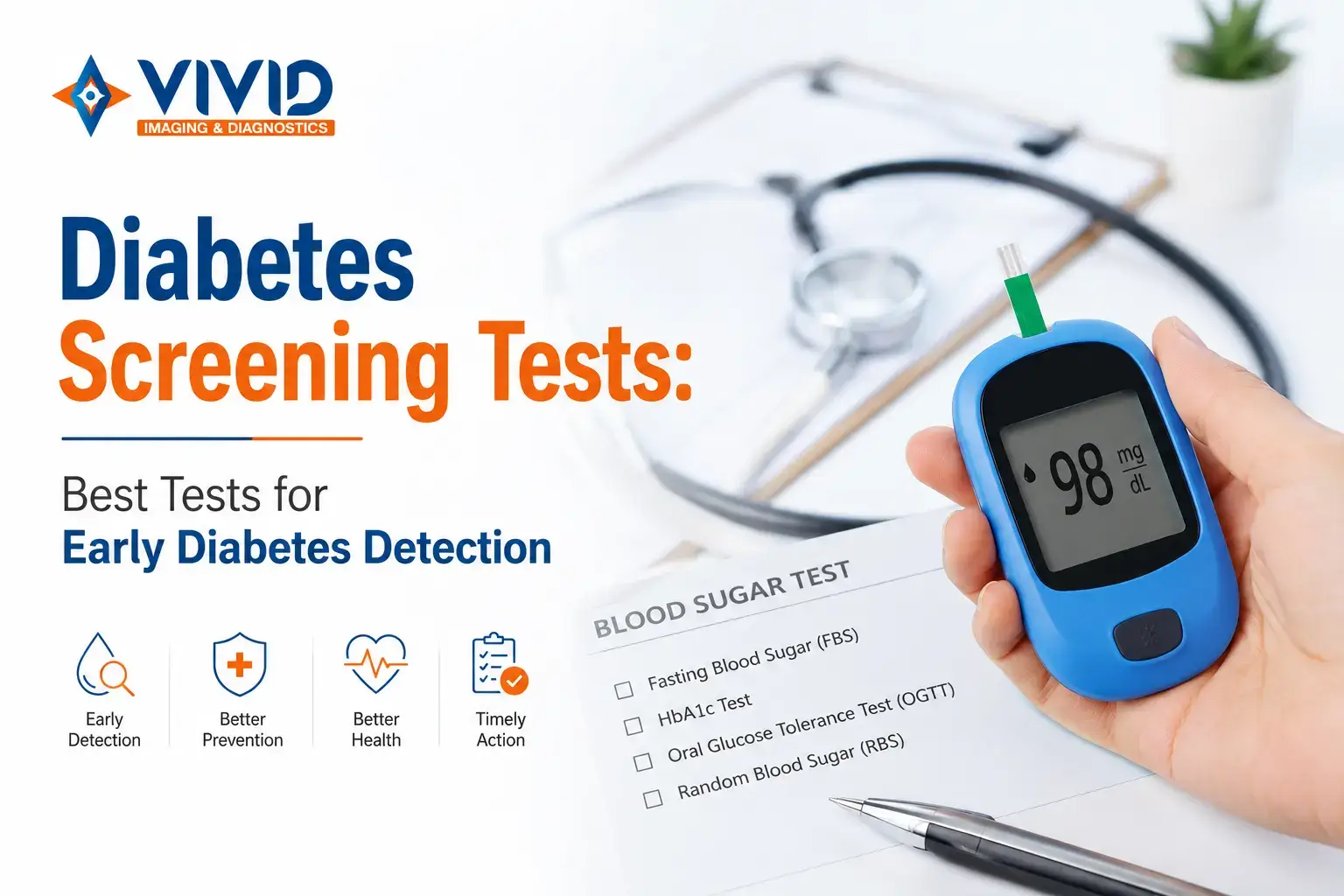
Diabetes is one of the fastest-growing health conditions worldwide. Millions of people have diabetes or prediabetes without realizing it because the disease often develops silently. By the time noticeable symptoms appear, blood sugar levels may have been high for years, increasing the risk of heart disease, kidney damage, nerve problems, and vision loss.
The good news is that diabetes screening tests can detect high blood sugar before complications develop. Early diagnosis allows you to make lifestyle changes or begin treatment to delay or even prevent Type 2 diabetes.
In this guide, you’ll learn about the best diabetes screening tests, how they work, who should get tested, and what your results mean.
Table of Contents
- What Is Diabetes Screening?
- Why Early Diabetes Detection Matters
- Who Should Get Diabetes Screening Tests?
- Best Diabetes Screening Tests
- Understanding Diabetes Test Results
- Which Test Is Most Accurate?
- How Often Should You Get Screened?
- Tips to Prevent Diabetes
- Frequently Asked Questions
- Final Thoughts
What Are Diabetes Screening Tests?
Diabetes screening tests are blood tests used to determine whether your blood sugar levels are normal, elevated (prediabetes), or high enough to diagnose diabetes.
These tests are recommended even if you don’t have symptoms because diabetes often develops gradually.
The main goals of diabetes screening are:
- Detect prediabetes
- Diagnose diabetes early
- Monitor blood sugar levels
- Reduce the risk of long-term complications
- Guide treatment decisions
Why Early Diabetes Detection Matters
Early detection can prevent or delay serious health problems.
Benefits include:
- Better blood sugar control
- Reduced risk of heart disease
- Lower chance of kidney damage
- Protection against nerve damage
- Reduced vision problems
- Better long-term health outcomes
Many people can delay or prevent Type 2 diabetes through healthy eating, regular exercise, and weight management if prediabetes is detected early.
Who Should Get Diabetes Screening Tests?
Healthcare professionals recommend screening for people who have an increased risk of diabetes.
You should consider screening if you:
- Are 35 years or older
- Are overweight or obese
- Have a family history of diabetes
- Have high blood pressure
- Have high cholesterol
- Have polycystic ovary syndrome (PCOS)
- Had gestational diabetes during pregnancy
- Live a physically inactive lifestyle
- Have a history of heart disease
You should also get tested if you experience symptoms such as:
- Frequent urination
- Increased thirst
- Unexplained weight loss
- Blurred vision
- Fatigue
- Slow-healing wounds
- Frequent infections
Best Diabetes Screening Tests
Several laboratory tests are used to diagnose diabetes. Each has its advantages.
1. Fasting Blood Sugar (Fasting Plasma Glucose – FPG)
The Fasting Blood Sugar (FBS) test measures blood glucose after fasting for at least 8 hours.
Normal Ranges
| Result | Blood Sugar |
|---|---|
| Normal | Below 100 mg/dL |
| Prediabetes | 100–125 mg/dL |
| Diabetes | 126 mg/dL or higher (confirmed on repeat testing unless diagnosis is otherwise clear) |
Advantages
- Simple
- Affordable
- Widely available
- Good screening test
2. HbA1c Test (Glycated Hemoglobin)
The HbA1c test measures your average blood sugar over the previous 2–3 months.
Unlike fasting blood sugar, fasting is usually not required.
HbA1c Results
| Result | HbA1c |
|---|---|
| Normal | Below 5.7% |
| Prediabetes | 5.7–6.4% |
| Diabetes | 6.5% or higher (confirmation may be needed in people without classic symptoms) |
Benefits
- No fasting required
- Reflects long-term blood sugar control
- Convenient
- Commonly used for diagnosis and monitoring
3. Oral Glucose Tolerance Test (OGTT)
The Oral Glucose Tolerance Test measures how well your body processes glucose.
You’ll first have a fasting blood sample taken, drink a glucose solution, and then have another blood sample collected two hours later.
Two-Hour Results
| Result | Blood Sugar |
|---|---|
| Normal | Below 140 mg/dL |
| Prediabetes | 140–199 mg/dL |
| Diabetes | 200 mg/dL or higher |
Best For
- Prediabetes diagnosis
- Gestational diabetes screening
- High-risk individuals
4. Random Blood Sugar (RBS)
This test measures blood sugar at any time of the day.
No fasting is required.
A random blood sugar level of 200 mg/dL or higher, together with classic symptoms of diabetes, may indicate diabetes and should be evaluated by a healthcare professional.
Benefits
- Fast
- Convenient
- Useful in emergency situations
5. Continuous Glucose Monitoring (CGM)
Continuous Glucose Monitoring uses a small wearable sensor to measure glucose levels throughout the day and night.
Although CGM is not typically used as a primary screening test, it can help people already diagnosed with diabetes monitor glucose patterns and guide treatment.
Comparison of Diabetes Screening Tests
| Test | Fasting Needed | Detects | Best For |
|---|---|---|---|
| Fasting Blood Sugar | Yes | Diabetes & Prediabetes | Initial screening |
| HbA1c | No | Long-term glucose | Routine diagnosis & monitoring |
| OGTT | Yes | Prediabetes & Diabetes | High-risk patients |
| Random Blood Sugar | No | High blood sugar | Symptomatic individuals |
| CGM | No | Glucose trends | Diabetes management |
Which Diabetes Screening Test Is Best?
There isn’t a single “best” test for everyone.
Different tests provide different information.
Generally:
- HbA1c is convenient because fasting isn’t required.
- Fasting Blood Sugar is simple and cost-effective.
- OGTT is more sensitive for detecting prediabetes and gestational diabetes.
- Random Blood Sugar is useful when diabetes symptoms are present.
Your healthcare provider may recommend one or more tests based on your age, symptoms, medical history, and risk factors.
How Often Should You Get Screened?
General recommendations include:
- Adults aged 35 and older: Every 3 years if results are normal and no additional risk factors are present.
- People with prediabetes: Every year, or as advised by a healthcare provider.
- High-risk individuals: More frequent testing based on medical advice.
- Pregnant women: Screening for gestational diabetes during pregnancy as recommended.
Tips to Reduce Your Risk of Diabetes
Healthy lifestyle habits can lower your risk of developing Type 2 diabetes.
Eat a Balanced Diet
Choose:
- Whole grains
- Fruits
- Vegetables
- Lean proteins
- Healthy fats
Limit sugary drinks, processed foods, and excessive refined carbohydrates.
Stay Active
Aim for at least 150 minutes of moderate-intensity exercise per week, along with muscle-strengthening activities on two or more days, unless otherwise advised by your healthcare provider.
Maintain a Healthy Weight
Even modest weight loss can significantly reduce diabetes risk in people with prediabetes.
Get Regular Health Checkups
Routine diabetes screening tests can identify changes before complications develop.
When Should You See a Doctor?
Consult a healthcare professional if you:
- Have diabetes symptoms
- Have a family history of diabetes
- Are overweight with additional risk factors
- Had gestational diabetes
- Have persistently high blood pressure or cholesterol
- Are concerned about your blood sugar levels
Early testing can make a meaningful difference in preventing complications.
Frequently Asked Questions
Which test is best for early diabetes detection?
HbA1c and fasting blood sugar are among the most commonly used screening tests. An OGTT may be recommended when more detailed evaluation is needed.
Can diabetes be detected without symptoms?
Yes. Many people with prediabetes or early diabetes have no symptoms, making regular screening important for those at increased risk.
Do I need to fast before a diabetes test?
It depends on the test. Fasting is required for the Fasting Blood Sugar test and OGTT, but usually not for the HbA1c or Random Blood Sugar test.
Is HbA1c more accurate than fasting blood sugar?
They measure different aspects of blood glucose. HbA1c reflects average blood sugar over the past 2–3 months, while fasting blood sugar measures glucose at a single point in time. Healthcare providers often use them together when appropriate.
Can diabetes be prevented?
Type 2 diabetes can often be delayed or prevented through healthy eating, regular physical activity, maintaining a healthy weight, and routine screening.
Final Thoughts
Diabetes screening tests play a vital role in identifying high blood sugar before serious health complications develop. Tests such as the HbA1c, Fasting Blood Sugar, Oral Glucose Tolerance Test, and Random Blood Sugar each provide valuable information about your glucose levels and overall metabolic health. If you have risk factors or symptoms, don’t wait—speak with a qualified healthcare professional about the most appropriate screening test. Early detection, timely treatment, and healthy lifestyle choices can help you prevent or manage diabetes effectively.