
 MRI Scan
 CT Scan
 Health Checkups
 Ultrasound
 Lab Tests
 2D Echo
 ECG
ECG EEG
EEG ENMG/NCV
 Health Screening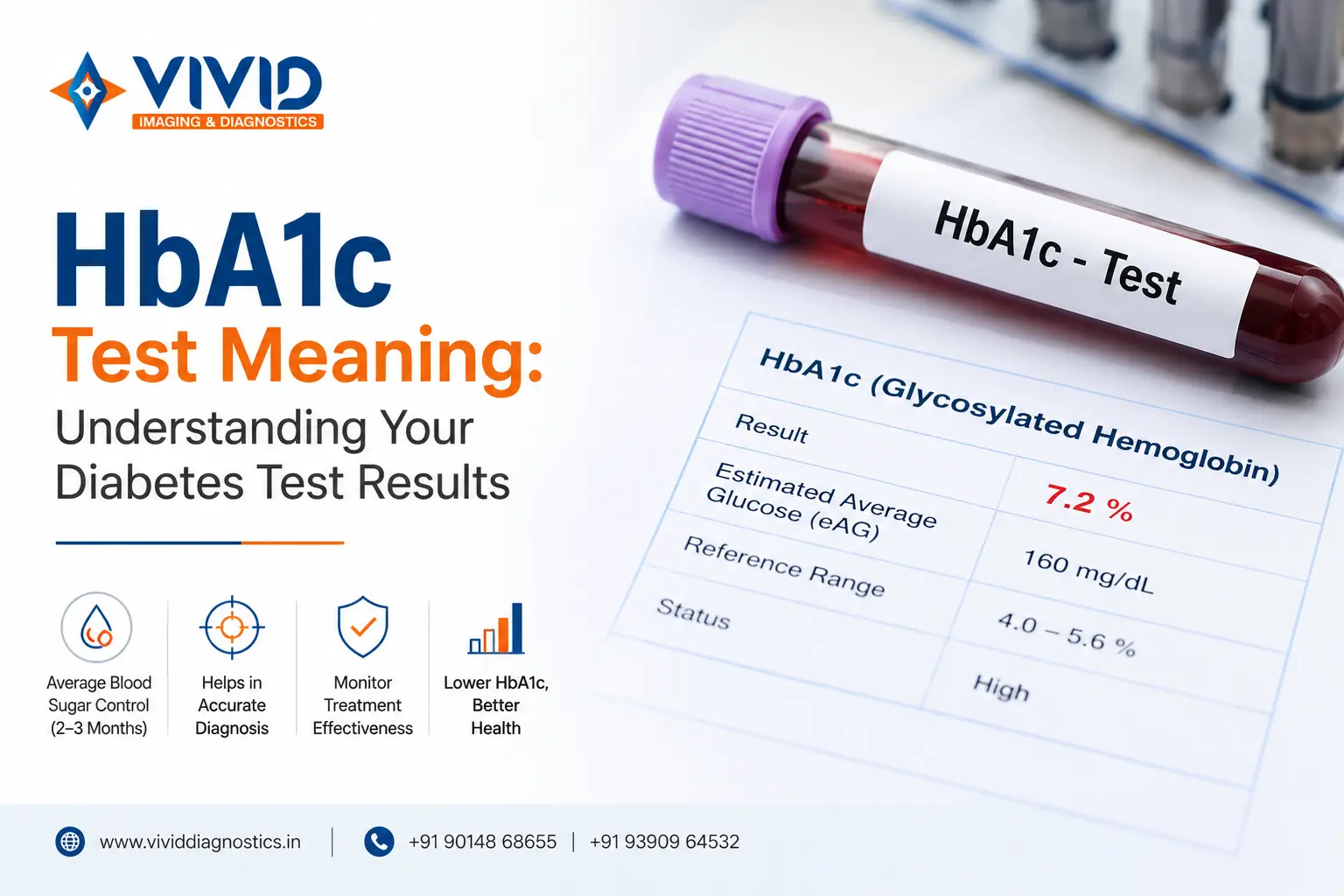
Diabetes is one of the most common lifestyle diseases today, affecting millions of people worldwide. Many individuals develop diabetes gradually without noticeable symptoms, making regular health screening essential. Among the most reliable tests used to diagnose and monitor diabetes is the HbA1c test.
Understanding the HbA1c Test Meaning is important because this test provides a clear picture of your average blood sugar levels over the past two to three months—not just at the moment your blood sample is taken. Unlike a fasting blood sugar test, HbA1c reflects your long-term glucose control, making it one of the most trusted tools for diagnosing prediabetes and diabetes.
In this comprehensive guide, you’ll learn what the HbA1c test means, why doctors recommend it, normal HbA1c ranges, how to interpret your report, and when you should consider getting tested.
Table of Contents
- What Is the HbA1c Test?
- HbA1c Test Meaning Explained
- Why Is the HbA1c Test Important?
- Who Should Get an HbA1c Test?
- How Is the HbA1c Test Done?
- HbA1c Normal Range
- How to Read an HbA1c Report
- HbA1c vs Blood Sugar Tests
- Factors That Affect HbA1c Results
- Tips to Maintain Healthy HbA1c Levels
- Why Choose Vivid Imaging & Diagnostics?
- Frequently Asked Questions
- Conclusion
What Is the HbA1c Test?
The HbA1c test, also known as the Glycated Hemoglobin Test, measures the percentage of hemoglobin in your red blood cells that has glucose attached to it.
Red blood cells typically live for around 120 days. During this time, glucose in your bloodstream naturally binds to hemoglobin. The higher your blood sugar levels remain over time, the higher your HbA1c percentage will be.
Unlike routine blood sugar tests that show your glucose level at a single point in time, the HbA1c test provides a broader picture of your blood sugar control over the previous 2–3 months.
HbA1c Test Meaning Explained
The HbA1c Test Meaning is simple: it reflects your average blood glucose levels over the last few months.
Think of it as a “three-month report card” for your blood sugar.
If your HbA1c level is high, it means your blood sugar has remained elevated for an extended period. This may indicate prediabetes, diabetes, or poor diabetes control.
Healthcare professionals commonly use the HbA1c test to:
- Diagnose Type 2 Diabetes
- Identify Prediabetes
- Monitor diabetes treatment
- Assess long-term blood sugar control
- Evaluate the effectiveness of lifestyle changes or medications
Because it reflects long-term glucose levels, the HbA1c test is considered more reliable than a single random blood sugar reading.
Why Is the HbA1c Test Important?
Early detection is one of the most effective ways to prevent diabetes-related complications.
The HbA1c test helps doctors identify abnormal blood sugar levels before serious health issues develop.
Benefits of the HbA1c test include:
- Detects diabetes early
- Identifies prediabetes before it progresses
- Monitors diabetes treatment effectiveness
- Helps reduce the risk of heart disease
- Supports kidney health monitoring
- Reduces the risk of nerve damage
- Helps prevent diabetes-related eye problems
Early diagnosis allows patients to make lifestyle changes that may delay or even prevent Type 2 diabetes.
Who Should Get an HbA1c Test?
Doctors generally recommend HbA1c testing for adults who have risk factors for diabetes.
You should consider getting tested if you:
- Are 35 years or older
- Are overweight or obese
- Have a family history of diabetes
- Have high blood pressure
- Have high cholesterol
- Have Polycystic Ovary Syndrome (PCOS)
- Had gestational diabetes during pregnancy
- Live a sedentary lifestyle
- Have heart disease
Your doctor may also recommend the test if you experience symptoms such as:
- Frequent urination
- Excessive thirst
- Unexplained weight loss
- Fatigue
- Blurred vision
- Slow wound healing
- Frequent infections
How Is the HbA1c Test Done?
The HbA1c test is a simple blood test.
A healthcare professional collects a small blood sample from a vein in your arm, and the sample is analyzed in a laboratory.
Good news:
Unlike some diabetes tests, fasting is usually not required before an HbA1c test. However, always follow any specific instructions provided by your healthcare provider or diagnostic center.
The procedure usually takes only a few minutes, and results are generally available within a short time, depending on the laboratory.
HbA1c Normal Range
Understanding your report is an important part of knowing the HbA1c Test Meaning.
| HbA1c Result | Interpretation |
| Below 5.7% | Normal |
| 5.7%–6.4% | Prediabetes |
| 6.5% or higher | Diabetes (confirmation may be required in people without classic symptoms) |
For people already diagnosed with diabetes, target HbA1c goals vary depending on age, overall health, and medical history. Your healthcare provider will recommend a personalized target.
How to Read an HbA1c Report
Receiving your HbA1c report can be confusing if you don’t understand the numbers.
Here’s a simple guide:
Below 5.7%
This usually indicates healthy blood sugar control.
Between 5.7% and 6.4%
This range suggests prediabetes, meaning your blood sugar is higher than normal but not yet high enough for a diabetes diagnosis.
Lifestyle changes at this stage can significantly reduce the risk of developing Type 2 diabetes.
6.5% or Higher
This level is consistent with diabetes when confirmed by repeat testing or other diagnostic criteria.
Your healthcare provider will recommend further evaluation and an appropriate treatment plan.
HbA1c vs Other Diabetes Tests
Many people wonder how HbA1c compares with other blood sugar tests.
| Test | Measures | Fasting Required |
| HbA1c | Average blood sugar over 2–3 months | Usually No |
| Fasting Blood Sugar | Blood sugar at one point in time | Yes |
| Random Blood Sugar | Current blood sugar | No |
| Oral Glucose Tolerance Test (OGTT) | Body’s response to glucose | Yes |
Each test has a different purpose, and your doctor may recommend one or more depending on your symptoms and risk factors.
Factors That Can Affect HbA1c Results
Although the HbA1c test is highly reliable, certain conditions can affect the accuracy of the results.
These include:
- Iron deficiency anemia
- Recent blood transfusions
- Certain hemoglobin disorders
- Chronic kidney disease
- Pregnancy
- Significant blood loss
- Some medications
Always inform your healthcare provider about your medical history before interpreting your HbA1c results.
Tips to Maintain Healthy HbA1c Levels
If your HbA1c is elevated, healthy lifestyle changes can make a significant difference.
Eat a Balanced Diet
Focus on:
- Whole grains
- Fresh vegetables
- Fruits in moderation
- Lean proteins
- Healthy fats
- High-fiber foods
Reduce sugary beverages, refined carbohydrates, and highly processed foods.
Exercise Regularly
Aim for at least 150 minutes of moderate-intensity physical activity each week, unless advised otherwise by your healthcare provider.
Maintain a Healthy Weight
Even modest weight loss can improve blood sugar control in many people with prediabetes or Type 2 diabetes.
Follow Medical Advice
If you’ve been prescribed medication, take it as directed and attend regular follow-up appointments.
Get Regular HbA1c Testing
Routine monitoring helps track your progress and allows your healthcare provider to adjust your treatment plan if needed.
Why Choose Vivid Imaging & Diagnostics?
If you’re looking for reliable HbA1c testing in Hyderabad, Vivid Imaging & Diagnostics offers accurate laboratory testing using quality diagnostic standards to help support timely diagnosis and ongoing diabetes management.
At Vivid Imaging & Diagnostics, patients benefit from:
- Accurate and dependable HbA1c testing
- Experienced laboratory professionals
- Modern diagnostic technology
- Timely reporting
- Comprehensive preventive health checkups
- Patient-focused care
Whether you’re monitoring diabetes, checking for prediabetes, or undergoing a routine health screening, timely HbA1c testing can provide valuable insights into your long-term blood sugar control.
Book your HbA1c test today at:Vivid Diagnostics
Frequently Asked Questions
What is the HbA1c test used for?
The HbA1c test is used to diagnose prediabetes and diabetes and to monitor long-term blood sugar control in people with diabetes.
Is fasting required before an HbA1c test?
In most cases, no. Unlike fasting blood sugar tests, the HbA1c test usually does not require fasting.
What is a normal HbA1c level?
An HbA1c level below 5.7% is generally considered normal for most adults.
Can HbA1c detect prediabetes?
Yes. HbA1c levels between 5.7% and 6.4% may indicate prediabetes.
How often should HbA1c be tested?
People with diabetes may need HbA1c testing every 3–6 months, while screening intervals for others depend on their individual risk factors and healthcare provider’s recommendations.
Conclusion
Understanding the HbA1c Test Meaning empowers you to take control of your health before diabetes leads to serious complications. Unlike a single blood sugar reading, the HbA1c test provides a long-term view of your glucose levels, making it an essential tool for diagnosing prediabetes, confirming diabetes, and monitoring treatment success.
If you have risk factors for diabetes or are due for a routine health checkup, discuss HbA1c testing with your healthcare provider. For accurate, reliable, and patient-focused diagnostic services in Hyderabad, Vivid Imaging & Diagnostics offers comprehensive laboratory testing to support early detection and better health outcomes. VisitVivid Diagnostics to learn more or book your test.